
How Alabama's Humidity Kills Garage Door Springs Faster (And What to Do About It)
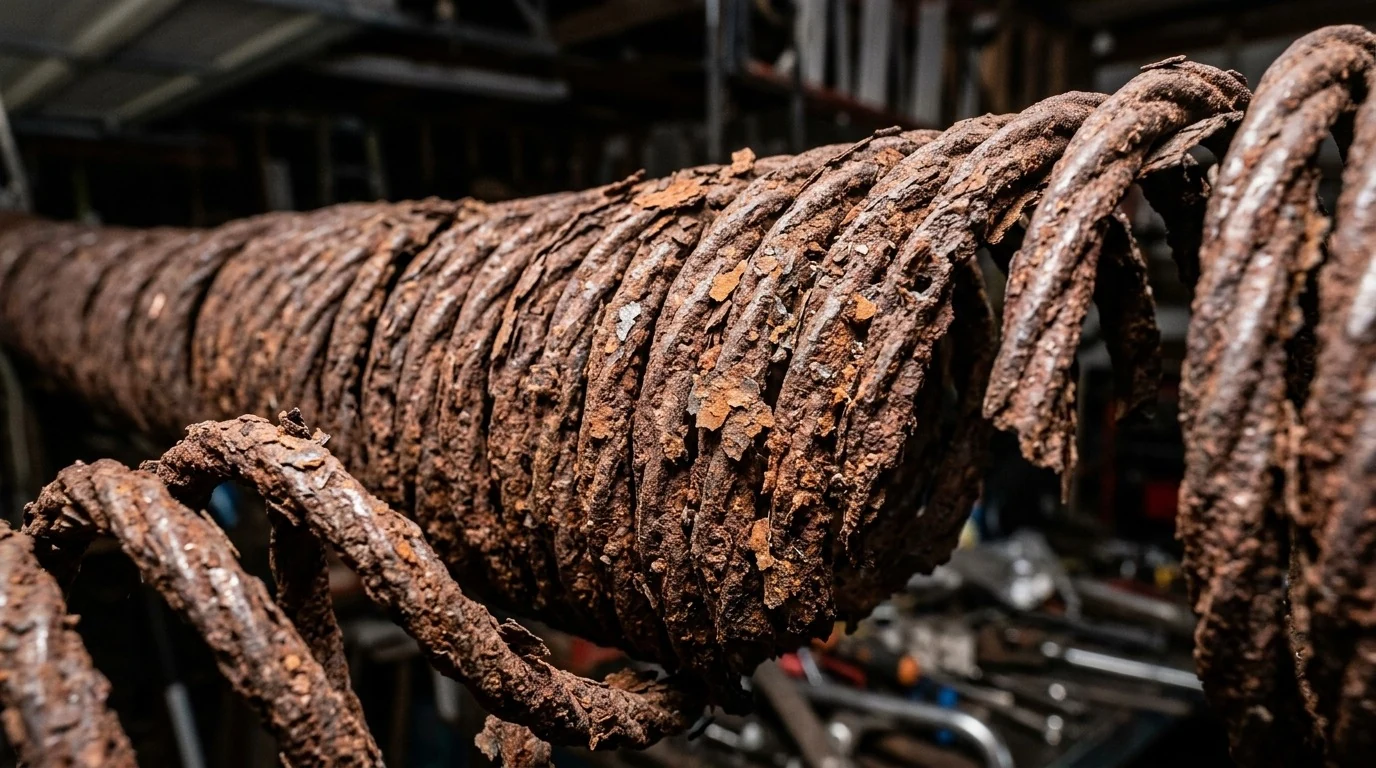
If you've lived in Gadsden, Attalla, or anywhere in Etowah County for more than a few years, you've probably noticed that things rust here faster than they should. Tools left in the garage, the underside of your car, the backyard furniture — the humid subtropical climate that makes Alabama's summers lush and green does real damage to exposed metal.
Your garage door springs are no exception. In fact, they may be the most vulnerable metal components in your house.
Why Springs Are Particularly Susceptible
Torsion springs — the horizontal bar above your garage door — are made from tempered steel wire wound tightly under mechanical tension. They work by storing potential energy when the door closes and releasing it to help lift the door open. It's elegant engineering, but the material has a significant weakness in humid climates: steel corrodes.
Here's the problem specific to Gadsden's environment:
Average relative humidity in Etowah County runs 70–75% year-round. When you add the significant rainfall (over 55 inches annually on average) and the temperature cycling between summer highs near 90°F and winter lows that can dip below freezing, you create ideal conditions for accelerated metal oxidation.
That oxidation — rust — isn't just surface cosmetics on a spring. It actively degrades the structural integrity of the steel wire. A spring coil that would normally flex cleanly through 10,000+ cycles begins to develop micro-fractures at rust pitting. Those fractures grow. Eventually, the spring snaps — usually at a time you'd least prefer.
The Condensation Problem
There's a specific humidity mechanism that hits garage doors particularly hard: condensation cycling.
When your car comes in from a cold winter day and sits in the garage, the cold metal surface of the car causes moisture from the warmer garage air to condense. That moisture migrates to nearby surfaces — including the spring directly above the door. The spring goes through multiple wet-dry cycles during a typical winter week.
This condensation is particularly damaging to the tightly wound coils at the center of the spring, where moisture can wick between the coils and stay damp for extended periods. That's exactly where spring failures originate.
Warning Signs Your Spring Is Losing the Battle
Springs rarely snap without giving some advance warning. Learn to recognize these signals:
The door feels noticeably heavier. When you disengage the opener and try to lift the door manually, a properly balanced door should feel light — 10 lbs or less of effort. A door that feels like it weighs 50 lbs is losing spring counterbalance.
The opener sounds like it's working harder. If your opener motor runs louder or longer than it used to, the spring isn't doing its job of sharing the load.
The door moves unevenly. If one side rises faster than the other, one spring (on a two-spring system) may be losing tension faster than the other.
Visible rust or gaps in the coil. If you can see rust discoloration or a gap between coils anywhere along the spring, that section is compromised. Don't wait for it to snap.
Squeaking during operation. A well-lubricated spring is nearly silent. A spring that squeaks during operation is running dry — which accelerates both wear and corrosion.
What Actually Extends Spring Life in Alabama's Climate
Lubrication is the single most effective thing you can do. A proper spring lubricant — silicone spray or white lithium grease — creates a barrier between the steel and the humid air. It also reduces the friction between coils during operation, which slows the metal fatigue that leads to failure.
In a dry climate, lubricating once a year is standard advice. In Gadsden's humidity, every six months is more appropriate. Do it in spring before the heat and humidity peak, and again in fall before condensation season.
Use the right product. WD-40 is a water-displacer, not a lubricant — it will actually wash away the protective coating you need. Use a dedicated garage door lubricant, silicone spray, or white lithium grease. Apply it to the full length of the spring, the hinges, and the rollers.
Don't ignore small issues. A squeaking hinge or a slightly heavy door are early-warning signals. Addressing them during a tune-up costs less than addressing them after the spring snaps and potentially damages the opener in the process.
When to Call a Professional
If you see a visible gap in the spring coil, the spring is broken — stop operating the door and call immediately. A door with a failed spring puts the full weight on the opener motor (which it's not rated to handle) and can create a drop hazard.
Spring replacement in Gadsden typically runs $150–$350 depending on spring type and whether one or both springs need replacement. It's one of those repairs where the cost of professional service is clearly justified by the risk of DIY injury — torsion springs are wound under extreme mechanical tension, and releasing that tension incorrectly can cause serious harm.
If your Gadsden-area door is due for a spring inspection or you're already hearing the warning signs, call us at (256) 792-0501. We're available 24 hours a day and can typically schedule an inspection the same day you call.
Need Help Right Now?
We answer every call — 24 hours a day, 7 days a week. No voicemail, no waiting.